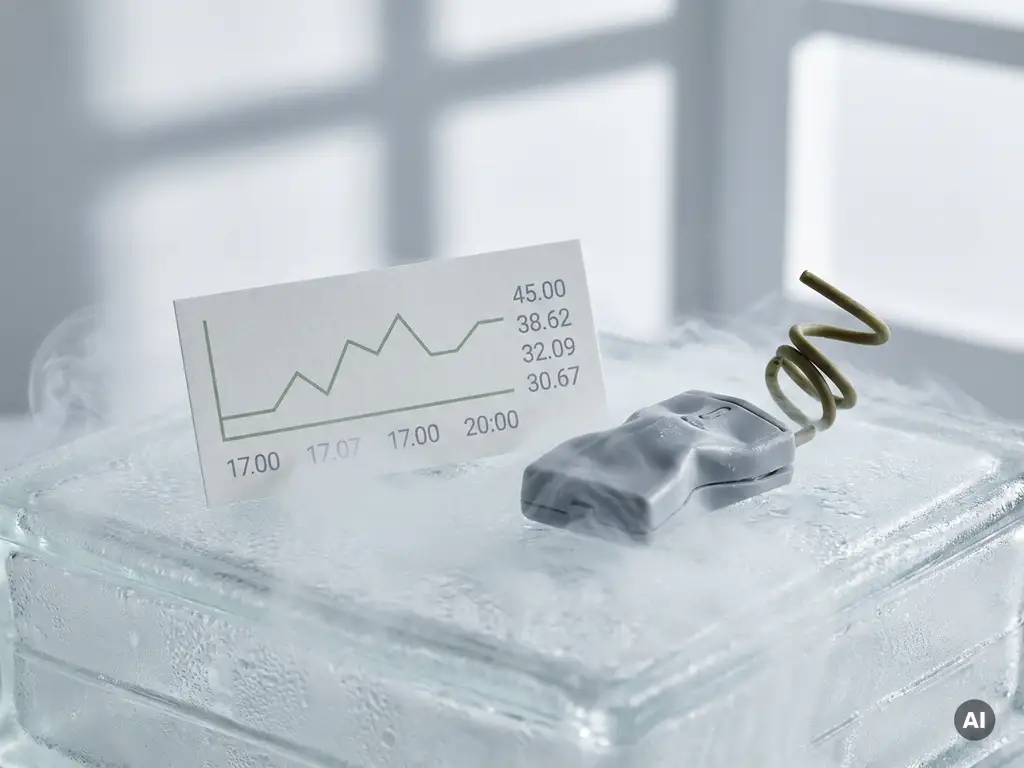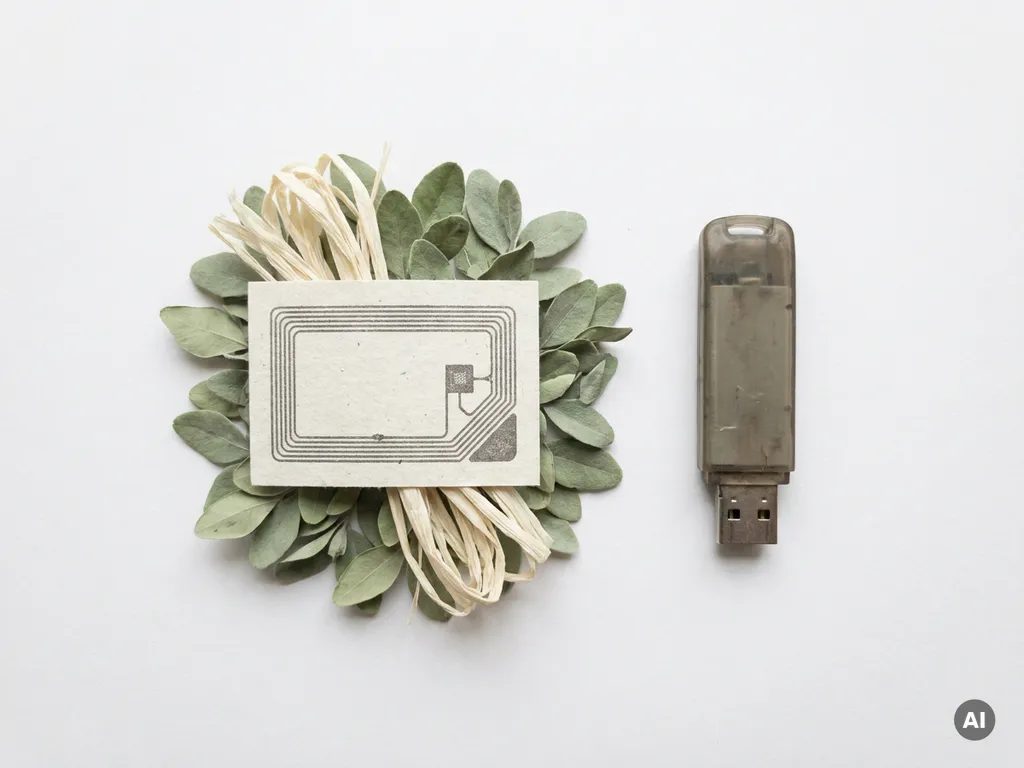
The best Tive alternative in 2026 is a paper-based NFC datalogger, a fundamentally different approach to cold chain monitoring that eliminates the plastic waste, USB retrieval hassle, and infrastructure requirements that come with traditional electronic devices. For companies shipping temperature-sensitive goods who want accurate monitoring without the environmental and operational overhead, this category of logger represents a meaningful upgrade. Below, we answer the most common questions buyers ask when evaluating their options.
What makes a cold chain monitoring solution better than Tive?
A cold chain monitoring solution is better than Tive when it reduces operational friction, eliminates unnecessary hardware dependencies, and supports your sustainability goals without sacrificing accuracy. The key differentiators are how data is retrieved, what infrastructure the receiving party needs, and what happens to the device after the shipment.
Tive relies on cellular or GPS connectivity, which means ongoing data costs, hardware that must be returned or disposed of, and electronic components that eventually become e-waste. A genuinely better alternative addresses all three of those pain points at once. Here is what separates a superior solution from the status quo:
- No dedicated hardware for the recipient: any NFC-enabled smartphone can read the logger instantly, with no app, no USB cable, and no login required on the receiving end
- Automatic cloud upload: temperature data syncs to a dashboard the moment the label is tapped, removing the manual download step entirely
- Sustainable materials: a logger built from paper and free of lithium batteries has a dramatically smaller environmental footprint than a plastic cellular device
- Flight-safe and universally compatible: suitable for road, sea, air, and rail without additional certifications or restrictions per shipment
When a solution checks all of these boxes, it is not just a cheaper version of Tive. It is a different category of product designed around simplicity and sustainability rather than connectivity infrastructure.
How does a paper-based NFC datalogger compare to Tive?
A paper-based NFC datalogger and Tive solve the same core problem, proving that a shipment stayed within the correct temperature range, but they do it in fundamentally different ways. Tive is an electronic device with cellular or Bluetooth connectivity. A paper-based NFC logger is a thin, label-format device read by tapping any smartphone against it.
One of the most practical differences is the battery. Electronic single-use loggers like Tive rely on lithium batteries, which degrade in extreme temperatures, require e-waste disposal, and are restricted on certain transport routes. Paper-based loggers use a lithium-free battery that is specifically engineered for cold environments, meaning it maintains reliable performance across the temperature ranges that cold chain shipments actually experience. Because the battery does not need to power a cellular radio or GPS chip, it lasts precisely as long as the shipment requires without unnecessary drain.
On the sustainability side, the contrast is stark. Electronic data loggers require e-waste disposal at the end of their life, while paper-based loggers can be recycled through standard paper waste streams globally, with no special collection or hazardous material handling. For companies tracking their environmental footprint, that difference is significant at scale.
Data retrieval is also simpler. Rather than returning a device, connecting via USB, or relying on a cellular subscription, the recipient simply taps their phone to the label. The temperature report appears immediately, and the data is already in the cloud dashboard for the sender to view as well.
Which industries benefit most from switching away from Tive?
The industries that benefit most from switching away from Tive are those where USB data retrieval creates operational bottlenecks, where sustainability reporting is under scrutiny, or where recipients cannot be expected to have dedicated hardware. In practice, this covers several major sectors.
Pharma and life sciences
Many pharmaceutical companies operate strict IT security policies that prevent staff from plugging USB devices into networked computers. This makes traditional electronic loggers a genuine compliance headache at the point of delivery. An NFC-based paper logger sidesteps this entirely: the recipient taps their personal smartphone, and the data is immediately available without touching any corporate IT infrastructure.
Fresh produce and food
Food and beverage supply chains move at speed, and quality managers need fast, frictionless access to temperature records at receiving. A logger that requires no app, no hardware, and no manual download fits naturally into busy receiving dock workflows. The disposable nature of paper-based loggers also makes more sense in a sector where each shipment is a one-way journey.
Floriculture and horticulture
Fresh flowers and seeds are highly perishable, and the floriculture sector ships enormous volumes of single-use plastic loggers annually, with most ending up incinerated or in landfill. Switching to a paper-based alternative is one of the most concrete steps a flower exporter can take to reduce their environmental impact at scale.
Temperature-sensitive chemicals
Products like water-based paints must not freeze or overheat, yet the recipients (distributors, retailers, construction companies) are unlikely to have any datalogger reading equipment on hand. An NFC label that any smartphone can read removes the infrastructure barrier entirely.
What should you look for when choosing a Tive alternative?
When choosing a Tive alternative, the most important factors are ease of data retrieval for the recipient, the environmental profile of the device, battery reliability across temperature extremes, and whether the solution requires any infrastructure investment from parties beyond the shipper.
Use this checklist when evaluating your options:
- Zero infrastructure for recipients: can the person receiving the shipment read the logger with what they already have in their pocket?
- Lithium-free or minimal battery design: does the battery perform reliably in cold conditions without posing disposal or transport restrictions?
- Cloud-based reporting: does data upload automatically, or does someone need to manually transfer it?
- End-of-life recyclability: can the device be disposed of through standard waste streams, or does it require specialist e-waste handling?
- Certified accuracy: is the logger independently certified to the accuracy standard your industry requires?
- Universal transport compatibility: does the device work across all the modalities your shipments use, including air freight?
A solution that scores well on all six criteria is not just a Tive alternative. It is a genuinely better fit for modern cold chain operations where sustainability and simplicity matter as much as accuracy.
How Tapp solves the cold chain monitoring challenge
Tapp has developed the world’s first paper-based datalogger, and the only one of its kind on the market. Built from paper sourced from agricultural waste and powered by a lithium-free battery, Tapp’s paper-based data loggers are recyclable through standard paper waste streams globally, reducing electronic waste by up to 90% compared to plastic alternatives.
Here is what makes Tapp’s approach concrete:
- NFC smartphone tap, no app needed: any NFC-enabled phone reads the logger instantly at delivery
- Automatic cloud upload: data appears in the TappOS dashboard the moment the label is tapped, visible to both sender and receiver
- Lithium-free battery: engineered for cold environments and free of the disposal restrictions that affect standard electronic loggers
- Waterproof coating: suitable for road, sea, air, and rail shipments without modification
- Customizable branding: labels carry your company logo and colors, making monitoring part of your brand presentation
Tapp serves clients across pharma, fresh produce, floriculture, and chemicals, including Nestlé, Dole, Syngenta, and HZPC. If you are ready to move beyond plastic loggers and USB downloads, book an intro call with an expert to find out how paper-based monitoring fits your supply chain.
Frequently Asked Questions
How do I get started with switching from Tive to a paper-based NFC datalogger?
The easiest way to get started is to run a parallel pilot on a subset of your existing shipments — use paper-based NFC loggers alongside your current solution for a few weeks to compare data accuracy, recipient feedback, and operational ease. Most suppliers, including Tapp, offer sample programs or trial shipments so you can validate performance in your actual cold chain before committing at scale. Because paper-based loggers require no infrastructure changes on the recipient side, onboarding is typically much faster than switching between electronic logger systems.
What happens if the recipient doesn't have an NFC-enabled smartphone?
NFC is a standard feature on virtually all modern smartphones — both Android and iPhone (iPhone 7 and later) support NFC natively, meaning the vast majority of recipients worldwide can tap and read a logger without any additional setup. In the rare case where a recipient’s device doesn’t support NFC, the sender still has full access to the temperature data through the cloud dashboard, which can be shared as a link or PDF report. This dual-access approach means a single non-NFC device at the receiving end never creates a compliance gap.
Are paper-based NFC dataloggers accurate enough for regulated industries like pharmaceuticals?
Yes — accuracy is independently certified, and paper-based loggers are designed to meet the temperature monitoring standards required in regulated industries, including GDP (Good Distribution Practice) guidelines for pharmaceuticals. The key is to verify that any logger you evaluate carries third-party calibration certification and documents its accuracy range clearly. Tapp’s loggers, for example, are certified to the accuracy thresholds that pharma and life sciences supply chains require, making them a compliant drop-in replacement rather than a compromise.
What are the most common mistakes companies make when switching cold chain monitoring solutions?
The most common mistake is evaluating alternatives on unit cost alone without accounting for the total cost of ownership — including cellular data subscriptions, device return logistics, e-waste disposal fees, and IT integration time. Another frequent error is failing to involve receiving-side stakeholders early: if your customers or distribution partners aren’t consulted, you may discover friction points (like IT security policies blocking USB devices) only after rollout. Finally, companies often underestimate how much time is lost to manual data retrieval with traditional loggers — quantifying that operational cost before switching makes the business case for a simpler solution much clearer.
Can paper-based dataloggers handle the full temperature range of cold chain shipments, including frozen goods?
Paper-based NFC loggers are specifically engineered for cold environments, and their lithium-free batteries are designed to maintain reliable performance across the temperature ranges typical of cold chain logistics, including frozen and deep-frozen shipments. Unlike standard lithium batteries, which can degrade or fail at very low temperatures, the battery chemistry used in purpose-built cold chain paper loggers is optimized for exactly these conditions. Always check the published operating temperature range of any logger you evaluate to confirm it covers your specific shipment requirements.
How does switching to paper-based loggers actually impact a company's sustainability reporting?
Switching from plastic electronic loggers to paper-based alternatives creates measurable, reportable reductions in both electronic waste and plastic waste — two categories increasingly scrutinized in ESG and sustainability disclosures. Because paper-based loggers are recyclable through standard paper waste streams globally, every shipment monitored represents a device diverted from e-waste or incineration, and those numbers add up quickly at scale for high-volume shippers. This makes the switch not just an operational improvement but a concrete, quantifiable contribution to Scope 3 emissions reduction and circular economy commitments that stakeholders and regulators are increasingly asking companies to demonstrate.
Do paper-based NFC loggers integrate with existing supply chain management or ERP systems?
Most modern paper-based NFC logger platforms, including Tapp’s TappOS dashboard, are built with integration in mind and offer API access so that temperature data can flow directly into ERP, WMS, or quality management systems without manual export steps. This means you don’t have to choose between a simpler logger and a connected data workflow — the two are compatible. When evaluating any alternative, it’s worth asking specifically about API availability, data export formats, and whether the platform supports the integration your team already uses.