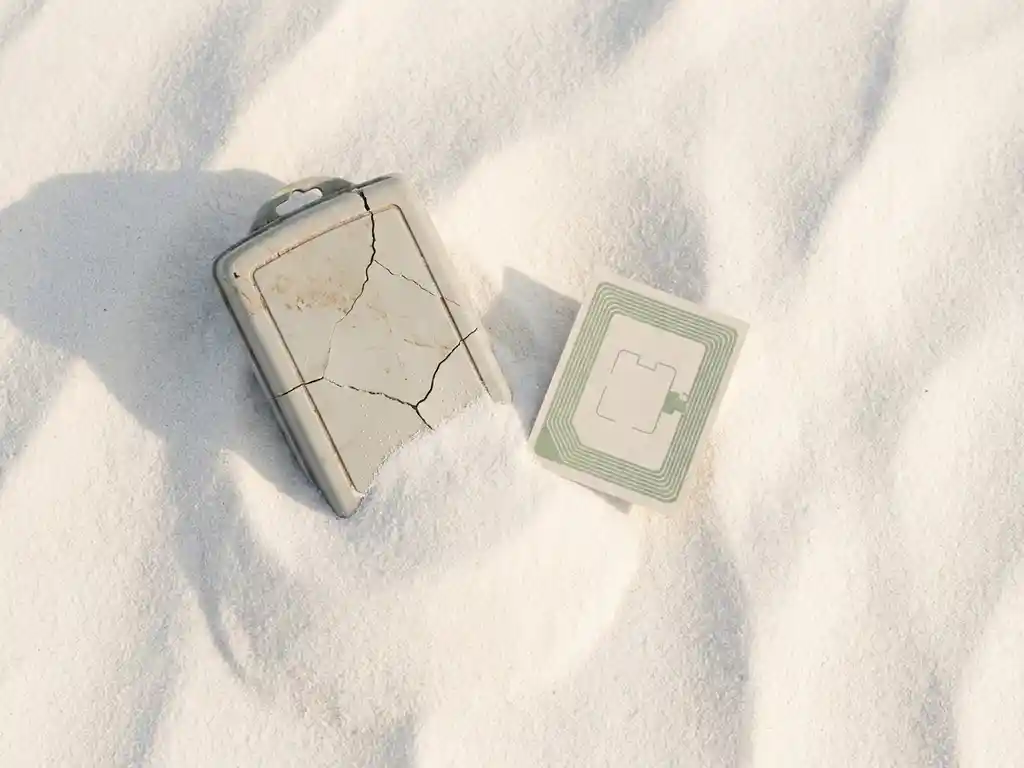
Electronic waste keeps growing in businesses worldwide. Most companies don’t know how much they add to the problem. Smartphones and monitoring equipment become e-waste. This harms the environment and costs money to throw away properly.
The good news? You don’t need big changes to reduce e-waste. Smart choices about technology can help. This is true for industries that use single-use monitoring devices. Simple switches to better alternatives can cut thousands of pieces of electronic waste each year.
Let’s see why e-waste is a problem for businesses. We’ll also look at what you can do about it.
Why e-waste is a big problem for businesses
Businesses make more electronic waste than people think. Every smartphone, laptop, and monitoring device breaks down over time. Single-use electronics create the biggest problem.
Look at cold chain monitoring. Companies shipping products that need cold temperatures use over 80 million single-use dataloggers each year. These plastic devices have electronics and lithium batteries. They get thrown away after just one trip. Each logger seems small. But millions of them create a big waste problem.
The harm goes beyond landfills. Electronic parts have materials that can leak bad substances into soil and water. Many countries now have strict rules about e-waste disposal. This means businesses face costs and fines if they don’t handle electronic waste properly.
Customer awareness adds more pressure. Customers choose suppliers based on green practices. This makes e-waste reduction a competitive advantage. Growing pressure from rules and customers means businesses need solutions that fix the root causes of electronic waste.
Simple ways businesses can reduce electronic waste
Reducing e-waste starts with rethinking how you buy and use technology. Here are practical approaches that work:
- Choose reusable or recyclable alternatives – Replace single-use devices with products you can use many times. Pick items made from materials you can recycle through normal waste streams. This removes the need for special e-waste disposal.
- Track device lifecycles – Know when equipment needs replacement. Plan purchases smartly to prevent early disposal. Buy durable products that last longer.
- Work with green suppliers – Choose vendors who care about the environment. Look for take-back programs or products designed with end-of-life in mind.
- Create internal e-waste policies – Train staff to care for electronic equipment properly. Set clear disposal procedures. Set targets for reducing electronic waste across your organization.
These strategies work best together. Smart purchasing decisions with proper lifecycle planning and staff training can cut electronic waste a lot. You often save money on disposal costs and rule compliance too. Let’s look at a specific industry where green alternatives make a real difference.
How green alternatives change cold chain monitoring
Cold chain monitoring shows how green alternatives can remove e-waste without hurting performance. Traditional plastic dataloggers create a lot of waste. Paper-based solutions change everything.
Tapp’s paper-based dataloggers show this change perfectly. These devices use recyclable paper instead of plastic. You can throw them away through normal paper waste streams anywhere in the world. No special e-waste handling needed.
The lithium-free design has practical benefits beyond being green. These batteries often work better than traditional lithium options in single-use applications. They’re made for one-time use, not repeated charging cycles. They’re also airline compliant. This removes shipping restrictions.
Data retrieval happens through NFC smartphone tap technology. Anyone can access monitoring data without special apps or equipment. The information uploads automatically to cloud-based dashboards. This makes the whole process easier.
Companies using paper-based loggers report similar accuracy and reliability to traditional electronic devices. But they create up to 90% less e-waste. The costs often favor green alternatives when you include disposal fees and rule compliance.
This real example shows a key point: reducing e-waste doesn’t mean giving up functionality. It means choosing smarter alternatives that deliver the same results with less environmental impact. Start by checking your single-use electronics. Look for green replacements that fit your specific needs.


