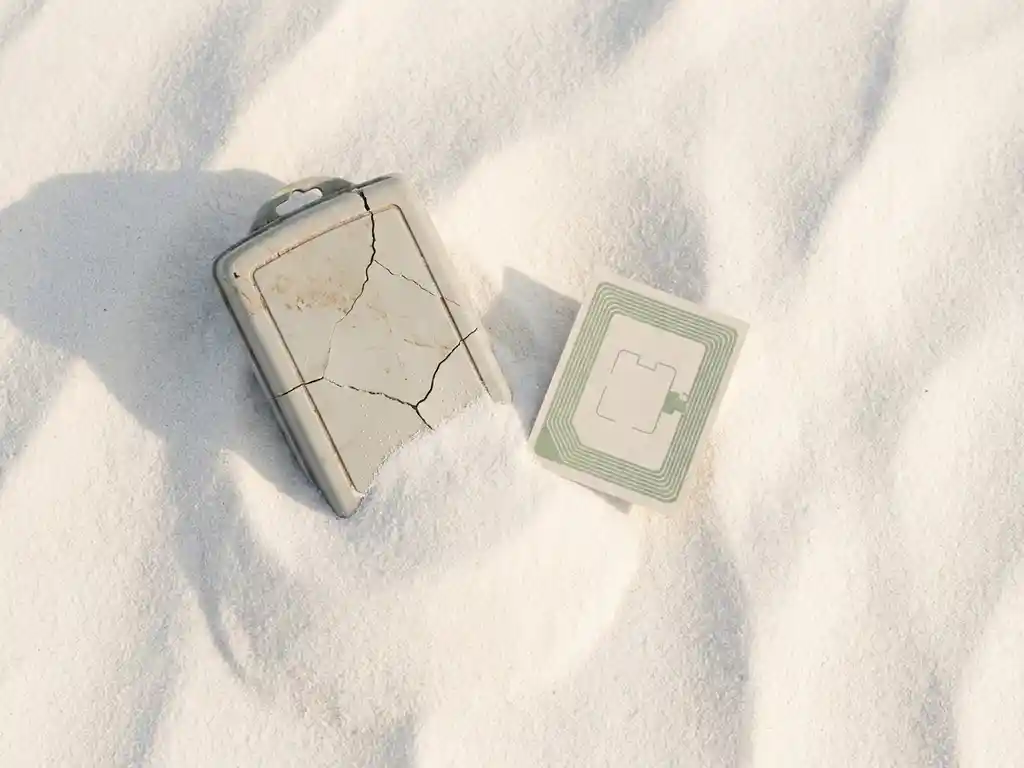
Your smartphone works fine. But makers stop supporting it after a few years. That printer cartridge runs out fast. These aren’t accidents. They’re examples of planned obsolescence. This is when companies make products that break or become useless quickly.
In cold chain monitoring, this problem is huge. Over 80 million single-use dataloggers get thrown away each year. This creates lots of electronic waste. We need to understand why this happens. Then we can find better solutions.
What planned obsolescence means for electronics
Planned obsolescence means companies make products that don’t last long on purpose. They want you to buy new ones often. This happens in three ways:
- Tech obsolescence – Companies stop updating software. They make new versions that don’t work with old devices. Your device still works, but you can’t use it anymore.
- Style obsolescence – Companies change designs often. This makes old products look outdated. People want to buy new ones even when the old ones work fine.
- Single-use design – Some products are made to be thrown away after one use. You can’t reuse or recycle them easily.
These three types work together. They create a throwaway culture in electronics. In cold chain monitoring, single-use dataloggers are the best example. Companies make monitoring tools that become trash after one job. This creates waste even when the devices still work.
How single-use dataloggers create huge waste problems
Single-use dataloggers create massive electronic waste. These devices have lithium batteries, circuits, and plastic parts. You can’t recycle them in normal waste systems.
Over 80 million of these devices get thrown away each year. This creates big environmental problems. Lithium batteries have toxic materials. These leak into soil and water when thrown away badly. The plastic cases stay in landfills for decades. The electronic parts need special recycling centers. Many places don’t have these centers.
This waste cycle continues because companies think single-use is normal. They buy these devices knowing they’ll become trash after one shipment. Easy disposable monitoring costs the environment a lot. It adds to the global e-waste crisis. This already creates over 50 million tonnes of waste each year worldwide.
Why paper-based alternatives solve the waste problem
New sustainable technology can break this waste cycle. Tapp’s paper-based dataloggers show how smart design stops e-waste. They still work perfectly for monitoring. Here’s how they help:
- Natural materials – They use recyclable paper made from farm waste. No plastic cases. You can throw them away with normal paper waste anywhere in the world.
- No lithium – No toxic battery parts. No disposal problems. They also avoid temperature problems during transport.
- NFC technology – You can get data by tapping with your smartphone. No special apps or extra hardware needed.
- Better performance – Paper-based devices don’t break down like normal batteries. They often work better than traditional electronic solutions.
This approach changes how we think about monitoring technology. Instead of making products that become waste, paper alternatives stop waste from happening. They work better and don’t hurt the environment. This proves that good performance and sustainability can work together.
We need to break free from planned obsolescence. We must rethink how we make monitoring technology. Paper-based alternatives show that function and sustainability can work together. They create products that do their job without making e-waste. This changes single-use monitoring from an environmental problem into a clean solution. It helps both industry and the planet.