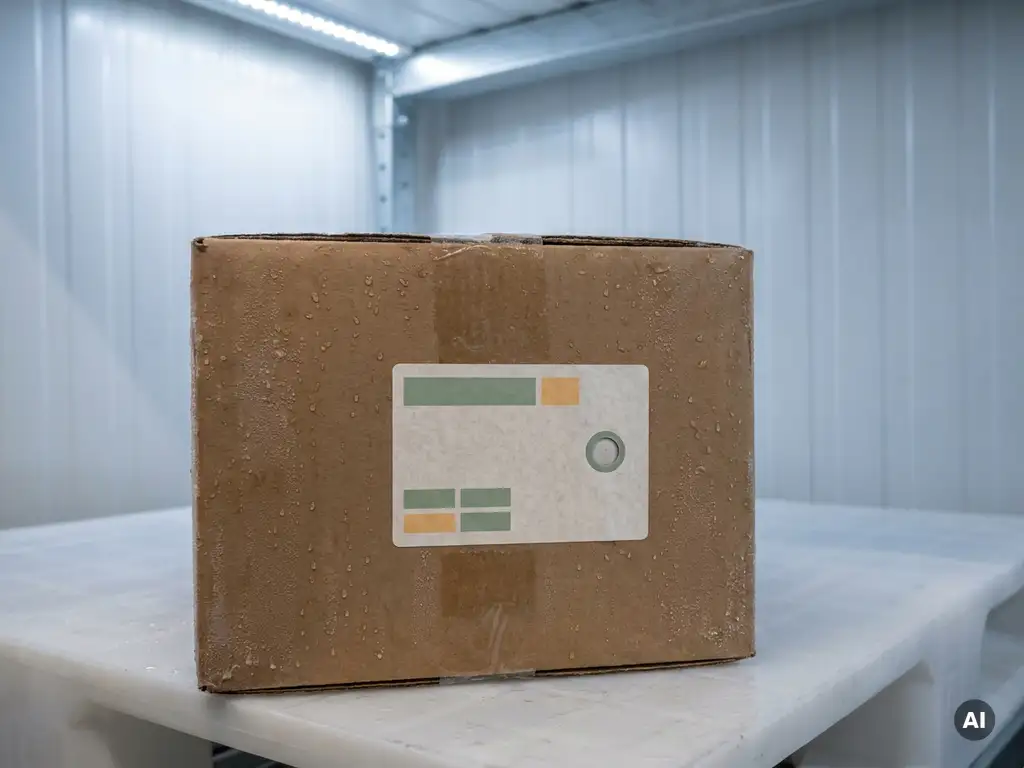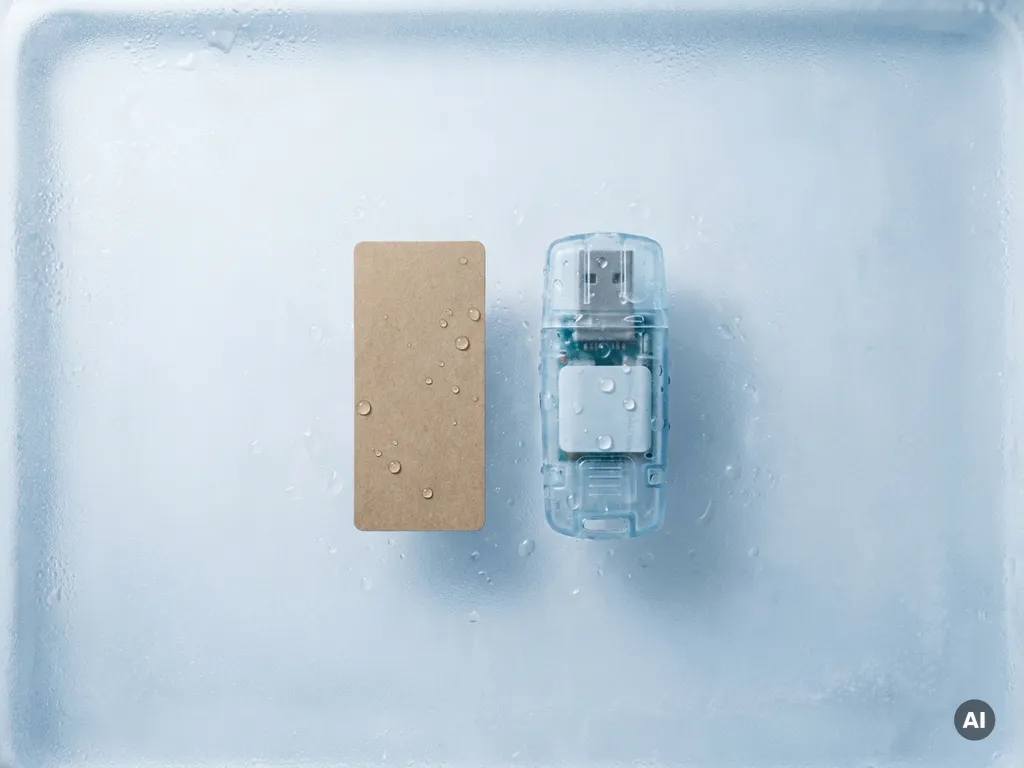
NFC temperature data loggers are generally easier to use and better suited for modern supply chains than USB loggers. NFC loggers let anyone read temperature data by tapping a smartphone, with no cables, hardware, or software required. USB loggers require a physical connection to a computer and dedicated software to retrieve data. This article breaks down the key differences, the specific limitations of USB loggers, and when NFC is the smarter choice.
What are the key differences between NFC and USB temperature data loggers?
The core difference between NFC and USB temperature data loggers is how you access the recorded data. USB loggers require a physical cable connection to a computer and dedicated software to download and read temperature reports. NFC loggers transmit data wirelessly to any NFC-enabled smartphone with a single tap, instantly making the information available without any additional tools.
Beyond data retrieval, the two types differ in several practical ways:
- Hardware required: USB loggers need a computer with the right software installed. NFC loggers work with any modern smartphone, with no app or dedicated hardware needed.
- Speed: Downloading data from a USB logger can take several minutes, including connecting the device, launching software, and exporting a report. An NFC tap takes seconds.
- Accessibility: USB loggers create a bottleneck: only the person with the right equipment can read the data. NFC loggers allow both the sender and receiver to access the same temperature report instantly.
- Form factor: USB loggers are typically rigid plastic devices. NFC loggers can be compact labels that attach directly to packaging.
- Environmental impact: Electronic USB loggers contain lithium batteries and plastic components, making them e-waste at end of life. Paper-based NFC loggers, like those developed by Tapp, are lithium-free and recyclable through standard paper waste streams.
Why can’t USB data loggers be plugged into pharmaceutical computers?
Many pharmaceutical companies have strict IT security policies that block employees from connecting unknown USB devices to networked computers. These policies exist to protect sensitive systems from data breaches, malware, and unauthorized access. Because a USB temperature data logger is an external storage device, it triggers the same restrictions as any other USB drive, making it impossible to download the data on many pharmaceutical sites.
This creates a significant operational problem. A shipment arrives, the temperature logger has recorded the entire journey, but no one on site can actually read the data without violating IT protocols or requesting special IT support. In practice, this means delays, workarounds, or simply skipping verification altogether.
NFC-based loggers sidestep this problem entirely. Because data is transferred wirelessly via a smartphone tap rather than through a USB port, there is no connection to the company’s network and no security policy is triggered. The temperature report is accessible immediately, on any personal or company smartphone, without touching a single computer.
Which temperature data logger is easier to use in the field?
NFC temperature data loggers are significantly easier to use in the field than USB loggers. There are no cables to carry, no laptops to set up, and no software to install. A warehouse worker, delivery driver, or receiving manager simply taps their smartphone against the logger to access the full temperature report. USB loggers, by contrast, require access to a computer with the correct software, which is rarely available at loading docks, cold stores, or delivery points.
Ease of use matters most at the moment of receiving a shipment. That is exactly when decisions need to be made quickly: whether a product has stayed within the required temperature range throughout transit. USB loggers introduce friction at that critical moment. NFC loggers remove it.
Battery performance is another field consideration worth noting. Many paper-based NFC loggers use a lithium-free battery design, which performs more reliably across a wider temperature range than the lithium batteries found in single-use plastic loggers. Lithium batteries can underperform or fail in very cold environments, which is precisely when accurate monitoring matters most. A lithium-free design avoids this vulnerability and maintains consistent performance throughout the journey.
When should you choose an NFC logger over a USB logger?
Choose an NFC temperature data logger when you need fast, frictionless access to temperature data at multiple points in the supply chain, especially when the receiving party cannot or should not connect devices to a computer. NFC loggers are the better choice for pharmaceutical shipments, international logistics, multi-party supply chains, and any situation where simplicity and speed of data access are priorities.
Specific scenarios where NFC loggers clearly outperform USB alternatives:
- Pharmaceutical and life science shipments: USB restrictions on networked computers make NFC the only practical option for many pharma receiving teams.
- Fresh produce and perishables: Quick verification at the point of delivery helps teams make faster acceptance or rejection decisions without delay.
- Multi-stop or multi-party logistics: When a shipment passes through several hands, NFC allows every party along the route to check the temperature history without any shared infrastructure.
- International supply chains: Receiving partners in different countries may not have compatible software or hardware for USB loggers. NFC works on any smartphone, anywhere.
- Sustainability-focused organizations: Companies working to reduce their environmental footprint will find NFC loggers, particularly paper-based ones, far more aligned with their goals than single-use plastic USB devices.
USB loggers still have a place in closed, controlled environments where the same team manages both dispatch and receipt, and where dedicated software is already in place. But for most modern supply chains, where shipments cross borders, change hands, and need to be verified quickly, NFC is the more practical and scalable choice.
How Tapp’s paper-based loggers solve the NFC vs. USB question
Tapp has developed the world’s first paper-based temperature data logger, combining NFC technology with a sustainable, lithium-free design. These loggers address every limitation of USB devices while going further than conventional electronic NFC loggers on environmental impact.
Here is what makes them different:
- No app, no hardware, no USB: Any NFC-enabled smartphone reads the logger instantly, making data accessible to anyone in the supply chain.
- Automatic cloud upload: Temperature data is uploaded to the TappOS dashboard the moment a label is tapped, giving both sender and receiver access to the same report.
- Lithium-free battery: Performs reliably across a wide temperature range, from -30°C to 50°C, without the cold-weather vulnerabilities of lithium-based alternatives.
- Recyclable through standard paper waste streams: Unlike electronic loggers that require e-waste disposal, paper-based loggers can be discarded in regular paper recycling globally.
- Suitable for all transport modalities: Road, sea, air, and rail, with a waterproof coating and flight-safe design.
If you are ready to move away from USB loggers and want a temperature monitoring solution that is simple, sustainable, and works for every party in your supply chain, book an intro call with an expert or get in touch with Tapp to find out how paper-based data loggers can work for your shipments.
Frequently Asked Questions
How do I get started with NFC temperature data loggers if my team has always used USB loggers?
The transition is simpler than most teams expect. Start by identifying the shipment types where USB loggers cause the most friction — pharmaceutical deliveries or multi-party routes are common pain points — and pilot NFC loggers on those routes first. Since NFC loggers require no software installation or dedicated hardware, your team only needs to be shown how to tap their smartphone against the label to read the data. Most teams are fully up to speed within a single shipment cycle.
What happens if the receiving party has an older smartphone that doesn't support NFC?
NFC is supported on the vast majority of smartphones manufactured after 2015, including both Android and iPhone models (iPhone 7 and later). In the rare case where a recipient’s device doesn’t support NFC, some logger platforms — including Tapp’s TappOS — allow the temperature report to be accessed via a shared cloud link, so data is never locked behind a single device. It’s worth confirming NFC compatibility with your receiving partners before deployment, though in practice it is seldom an issue in modern supply chains.
Can NFC temperature data loggers be tampered with or have their records altered after the fact?
Reputable NFC loggers are designed with data integrity in mind. Once temperature readings are recorded and uploaded to a cloud dashboard, the log is time-stamped and cannot be retroactively edited, providing a trustworthy audit trail for compliance and dispute resolution. The wireless read-only nature of NFC data retrieval also means there is no opportunity for a third party to modify records during the tap-and-read process. Always verify that your chosen logger platform explicitly states its data integrity and tamper-evidence features before use in regulated industries.
Are NFC temperature data loggers compliant with pharmaceutical regulations like GDP and FDA 21 CFR Part 11?
Many NFC loggers are designed to support Good Distribution Practice (GDP) compliance by providing a continuous, time-stamped temperature record that is accessible to all parties in the supply chain. However, regulatory compliance depends on the specific logger, the platform it uses, and how data is stored and accessed — not on NFC technology alone. If your shipments fall under FDA 21 CFR Part 11 or EU GDP guidelines, confirm with your logger supplier that their system meets the required data integrity, audit trail, and electronic record standards before deployment.
How long can an NFC temperature data logger record data, and what happens when its memory is full?
Recording duration varies by product, but most single-use NFC loggers are designed to cover common transit windows — typically ranging from a few days to several weeks — with logging intervals that can often be configured before activation. When memory is full, most loggers stop recording new data rather than overwriting old readings, preserving the complete history from the start of the journey. Always match the logger’s recording capacity and interval settings to your specific route duration to ensure no data gaps occur.
What is the most common mistake companies make when switching from USB to NFC temperature loggers?
The most common mistake is treating NFC loggers as a like-for-like hardware swap without updating the surrounding process. For example, teams sometimes continue manually exporting and emailing PDF reports out of habit, even though NFC loggers with cloud dashboards make that step unnecessary. Take the transition as an opportunity to streamline your entire temperature monitoring workflow — define who taps the logger at each handoff point, how alerts are handled, and how records are stored — so you capture the full efficiency gains NFC technology offers.
Can the same NFC temperature logger be read multiple times during a shipment, or only at the final destination?
One of the key advantages of NFC loggers is that they can be tapped and read at any point during the journey — at dispatch, during transit checkpoints, and at final delivery — without interrupting the recording process. This means temperature excursions can be caught mid-route rather than only discovered upon arrival, giving supply chain teams the opportunity to intervene before product is lost. Each tap simply reads the current data; it does not reset or stop the logger, so the full continuous record remains intact.