Your smartphone, laptop, and many electronic devices use special materials. Most people have never heard of these materials. They are called rare earth metals. They make the bright colors on your screen work. They help tiny sensors check temperature. But getting these metals hurts the environment.
Learning about rare earth metals helps us understand something important. It shows why electronics create so much waste. It shows why we need better options. This matters when we think about different technologies and how they affect our planet.
What are rare earth metals and where do you find them
Rare earth metals are not really rare. This group has 17 chemical elements. They have names like neodymium, dysprosium, and europium. There are many of these metals in the Earth. But they are called “rare” because they are hard to get out and clean.
Most rare earth metals come from just a few places:
- China: Makes about 80% of all rare earth metals. They have good mines and know how to process them.
- Australia: Has lots of these metals but cannot process them well. They send raw materials to other countries.
- Myanmar and United States: Starting to make more but still much less than China.
- Other places: Countries like Brazil, India, and Russia have these metals. But it costs too much money to get them out.
Most metals come from just one place. This creates problems. It makes it hard to get these metals when we need them. Getting these metals out of the ground is very hard work. You need special machines and knowledge. This helps us understand how these materials work in our devices.
How rare earth metals power modern electronics
Getting these metals is hard work. But we use them in almost everything. Your smartphone has at least 16 different rare earth elements. Neodymium makes strong magnets for speakers. Europium and terbium make red and green colors on screens. Dysprosium helps magnets work when they get hot.
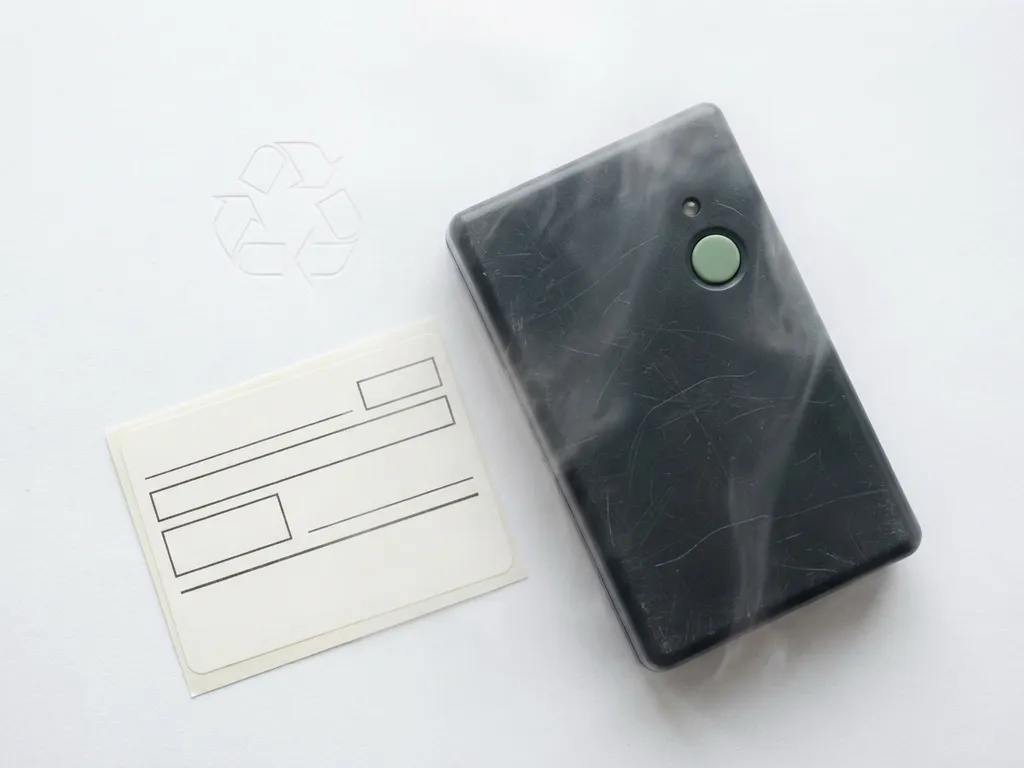
Electronic data loggers check temperature in cold storage. They have several rare earth elements inside. These materials help sensors work well. They make batteries small. They help electronic parts work properly. Old plastic data loggers need many of these materials.
Rare earth metals do different jobs in electronics:
- Making magnets: Neodymium and dysprosium make very strong magnets for motors, speakers, and computer drives.
- Screen colors: Europium, terbium, and yttrium make bright colors and good lighting in screens.
- Sensors: Gadolinium and holmium help measure temperature and other things very well.
- Batteries: Lanthanum and cerium help batteries store more power and charge faster.
- Electronic parts: Different rare earths help electricity flow better and make parts smaller.
These uses help modern electronics work so well in small sizes. Without rare earth metals, devices would be much bigger. They would use more power. They would not work as well. But using these metals creates big problems.
The hidden environmental cost of rare earth mining
Rare earth metals help technology work well. But getting them from the ground hurts the environment badly. Mining makes toxic waste. It makes water dirty. It releases dangerous materials. Getting one tonne of rare earth metals makes about 2,000 tonnes of toxic waste.
The damage goes beyond mining areas. Making electronic devices with rare earth metals creates more waste problems. People throw away over 80 million electronic data loggers every year. This creates huge environmental problems.
Old electronic data loggers make this worse. They mix rare earth metals with lithium batteries and plastic cases. When these devices break, people should recycle them properly. But this often does not happen. This makes more pollution. These big environmental problems mean we need to change how we make electronics.
Why sustainable alternatives matter for the future
The environmental damage is very big. We need to use fewer rare earth metals. We need new ways to make electronics. Some companies recycle old electronics. Others make new materials that work well but hurt the environment less.
Tapp makes data loggers from paper. This is one way to use fewer rare earth metals. These devices use batteries without lithium. They do not need many electronic parts like old plastic loggers. The paper design lets people recycle them with normal paper waste. This avoids electronic waste completely.
Other good ways include making products that last longer. We can make recycling better. We can find new materials. But using fewer rare earth metals through smart design helps the environment most quickly.
The future of electronics needs balance. We need devices that work well but do not hurt the environment. More people are learning about rare earth mining problems. More people see the waste problem. This makes sustainable alternatives very important for protecting our planet.