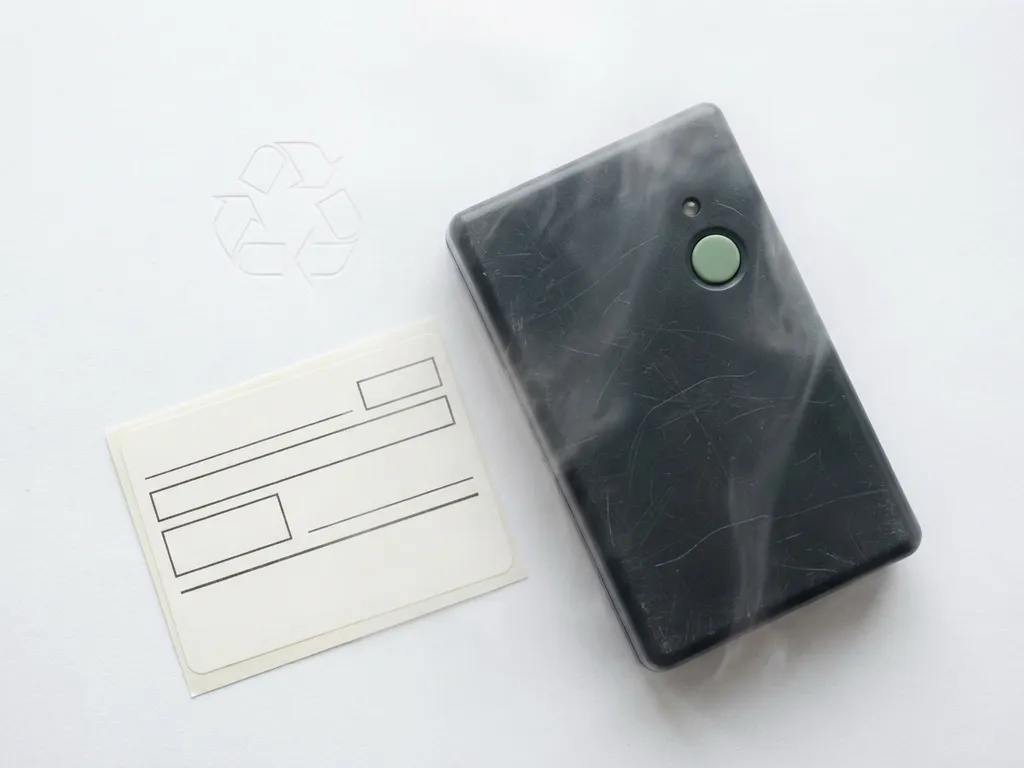
Extended producer responsibility (EPR) is a policy approach that makes manufacturers, importers, and distributors legally responsible for the end-of-life management of the products they place on the market. For electronics, this means companies must fund, organize, or participate in collection and recycling systems for the devices they sell. EPR legislation for electronics exists specifically to address the growing global e-waste crisis. The sections below unpack who qualifies as a producer, what products fall under EPR, how the system works in practice, and what happens when businesses fail to comply.
Who is considered a producer under EPR legislation?
Under EPR legislation, a producer is any business that manufactures, imports, or sells electronic equipment under its own brand name in a given market. This definition is broader than most people expect. A company that buys finished electronics from a third-party manufacturer and sells them under its own label is considered the producer, not the original factory that built the device.
In practice, the following entities typically qualify as producers under EPR rules:
- Manufacturers who design and produce electronic goods and sell them domestically
- Importers who bring electronics into a country from abroad, even if the brand is foreign
- Retailers and distributors who sell electronics under their own private label
- Online sellers who supply electronics directly to end users, including through marketplace platforms
The key principle is market responsibility. If your business name is on the product and you are placing it into a specific market, EPR obligations follow. This matters for cold chain logistics companies too, because electronic temperature data loggers are electronic devices subject to the same framework.
What types of electronics does EPR cover?
EPR for electronics covers a wide range of electrical and electronic equipment (EEE), from large household appliances to small monitoring devices. The scope is defined by whether a product requires electric current or an electromagnetic field to function. This means the category extends well beyond consumer gadgets into industrial and logistics equipment.
Common categories covered by EPR frameworks include:
- Large and small household appliances
- IT and telecommunications equipment
- Consumer electronics and display screens
- Lighting equipment
- Electronic tools and instruments
- Medical devices and monitoring equipment
- Automatic dispensers and data collection devices
Single-use electronic data loggers used in cold chain monitoring fall squarely within this scope. These devices contain plastic housing, electronic components, and lithium batteries, making them subject to e-waste classification at end of life. With an estimated 80 million or more single-use plastic data loggers discarded globally each year, the logistics sector represents a significant and often overlooked source of electronic waste.
How does EPR for electronics work in practice?
EPR for electronics works by shifting the financial and operational cost of waste management from municipalities and consumers back to the businesses that created the products. Producers typically meet their obligations either by joining a collective producer responsibility organization (PRO) or by setting up an individual take-back and recycling scheme.
Joining a collective scheme
Most businesses register with a national or regional PRO, pay a fee based on the weight or volume of electronics they place on the market, and the PRO handles collection, sorting, and recycling on their behalf. This is the most common route for small and medium-sized businesses because it removes the logistical complexity of running a take-back system independently.
Running an individual scheme
Larger producers sometimes operate their own take-back programs, collecting used devices directly from customers and channeling them to certified recyclers. This approach gives companies more control over how their products are handled at end of life, which can support stronger sustainability reporting and ESG commitments.
In both cases, producers must register with the relevant national authority, report the quantities of electronics they place on the market, and demonstrate that they are meeting recovery and recycling targets. The administrative burden is real, and it grows with the volume of devices a company distributes. This is one reason why businesses across the supply chain are increasingly interested in alternatives that generate less e-waste from the outset.
What are the penalties for non-compliance with EPR regulations?
Penalties for non-compliance with EPR regulations vary by country, but they typically include financial fines, market access restrictions, and in serious cases, criminal liability for company directors. Regulators can also order non-compliant businesses to cease selling products until they meet their registration and reporting obligations.
The most common consequences businesses face include:
- Financial penalties: Fines are often calculated based on the volume of non-compliant product placed on the market, meaning larger distributors face proportionally larger penalties
- Sales bans: Authorities can prohibit a company from selling electronic products in a market until it registers and demonstrates compliance
- Reputational damage: Non-compliance is increasingly visible, and supply chain partners, retailers, and corporate customers often require proof of EPR registration before doing business
- Retroactive liability: Companies found to have been non-compliant over multiple years may face back payments covering the entire period of violation
Beyond the direct legal risk, non-compliance creates friction in commercial relationships. Major FMCG companies, pharmaceutical firms, and retailers are under growing pressure to demonstrate responsible supply chain practices, and they pass that expectation down to their logistics partners and suppliers.
How Tapp helps reduce e-waste in cold chain monitoring
One of the most practical ways to reduce the EPR burden in cold chain logistics is to reduce the volume of electronic waste generated in the first place. The world’s first paper-based datalogger from Tapp is the only product of its kind on the market, offering a direct alternative to single-use plastic electronic loggers without compromising on monitoring quality.
Here is what makes them different from conventional electronic data loggers:
- Lithium-free design: Unlike single-use plastic loggers that rely on lithium batteries, Tapp’s paper-based loggers use a different power approach that eliminates the need for lithium, reducing the hazardous material footprint significantly
- Recyclable through standard paper waste streams: At end of life, these loggers can be disposed of through ordinary paper recycling, globally, with no e-waste classification required
- NFC smartphone tap, no app needed: Any NFC-enabled smartphone reads the logger instantly, with data automatically uploaded to the cloud upon access
- Full temperature monitoring range: Shipments between -30°C and 50°C are covered, compatible with road, sea, air, and rail transport
- Up to 90% less e-waste compared to traditional plastic loggers, supporting Scope 3 emissions reporting and ESG targets
For quality managers and sustainability teams looking to reduce their organization’s e-waste footprint while maintaining certified cold chain visibility, this is a meaningful operational change. Get in touch with Tapp to find out how paper-based monitoring fits your supply chain.
Frequently Asked Questions
How do I know if my business needs to register for EPR, and where do I start?
Start by identifying every market (country or region) where you sell or distribute electronic products under your brand name. For each market, look up the national authority responsible for EPR enforcement — in the EU, this is typically the national environment or waste management agency — and check whether your product categories trigger registration obligations. Most countries provide online producer registration portals, and many PROs offer free eligibility assessments to help businesses determine their obligations before committing to a compliance scheme.
Does EPR apply to my business if I only sell electronics in small volumes or as a secondary product line?
In most jurisdictions, there is no volume threshold that exempts a business from EPR registration — if you place electronic products on the market under your brand, you are a producer regardless of quantity. Some countries offer simplified compliance pathways or reduced fees for small and medium enterprises (SMEs), but the registration requirement itself still applies. Assuming low volume exempts you is one of the most common and costly compliance mistakes businesses make.
What is the difference between a Producer Responsibility Organization (PRO) and a take-back scheme, and which is better for my business?
A PRO is a collective, industry-funded body that pools compliance obligations across many producers, handling collection and recycling on their behalf in exchange for a fee — typically the most practical choice for SMEs. A take-back scheme is an individually operated program where your company directly manages the collection and recycling of your own products. For most businesses, joining a PRO is faster to implement and lower in administrative overhead, while individual schemes make more sense for large-volume producers who want tighter control over their recycling data for ESG reporting purposes.
How are EPR fees typically calculated, and what costs should I budget for?
EPR fees are most commonly calculated based on the weight of electrical and electronic equipment (EEE) you place on the market within a given reporting period, though some schemes use unit volume or product category as the basis. Fee rates vary significantly by country, product type, and the PRO you register with. Beyond the per-weight or per-unit fee, businesses should also budget for registration costs, annual reporting administration, and any auditing requirements — working with a compliance consultant in your first year can help you avoid underreporting penalties.
If I use a third-party logistics provider or a contract manufacturer, who holds the EPR obligation?
EPR obligations follow the brand on the product, not the entity that physically manufactures or ships it. If your company’s name or trademark appears on the electronic device, you are the producer of record and hold the compliance obligation — your contract manufacturer or logistics partner does not. This is a critical distinction for private-label sellers and companies that outsource production, as it means you cannot transfer EPR liability through a supply chain contract alone.
How can switching to paper-based data loggers reduce my company's EPR compliance burden?
Because EPR fees and reporting obligations are typically calculated based on the weight or volume of electronic products placed on the market, reducing the number of single-use electronic devices you use directly lowers your compliance footprint. Paper-based loggers like those from Tapp are not classified as e-waste at end of life, which means they fall outside the EPR framework for electronics entirely — removing both the registration obligation and the associated recycling costs for those units. For companies distributing tens of thousands of shipments annually, this substitution can represent a material reduction in both EPR fees and administrative burden.
Are EPR regulations for electronics expected to become stricter, and how should businesses prepare?
Yes — EPR legislation globally is trending toward broader product scope, stricter recycling targets, and stronger enforcement, particularly in the EU where the WEEE Directive is regularly updated and member states are increasing inspection activity. Businesses should treat EPR compliance as an ongoing operational function rather than a one-time registration exercise, conducting annual reviews of their product portfolio, reporting obligations, and recycling targets. Proactively reducing the volume of electronic waste your products generate — through design changes or product substitution — is the most resilient long-term strategy, as it reduces exposure regardless of how regulations evolve.