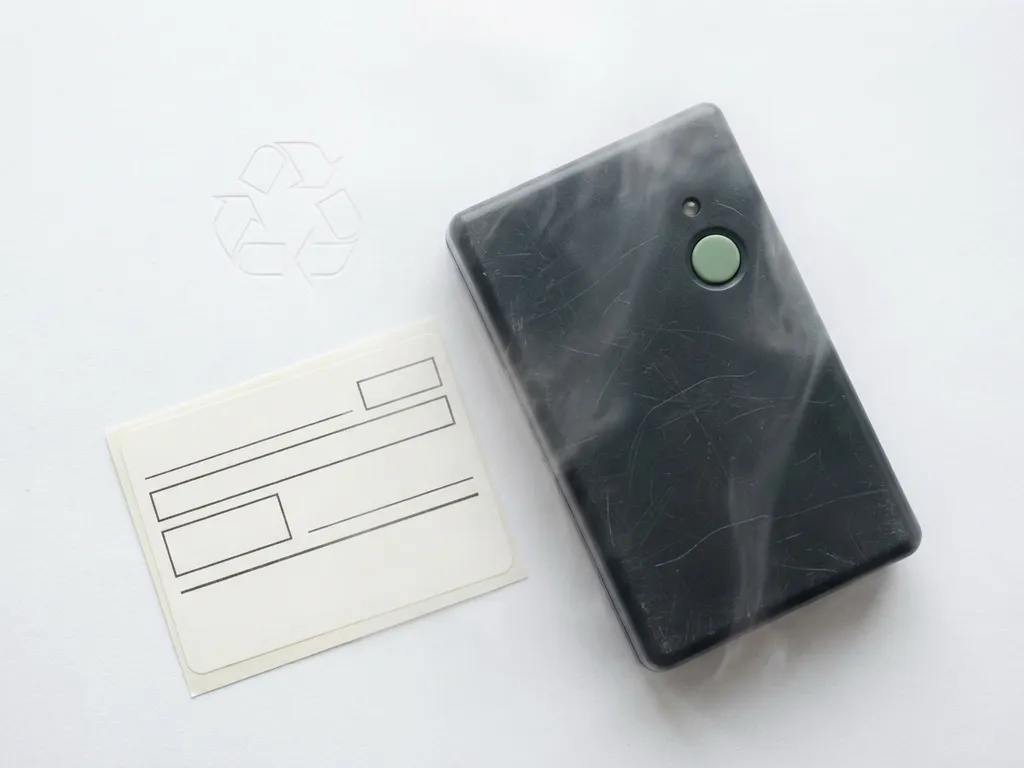
The circular economy for electronics is a model that keeps electronic materials in use as long as possible, then recovers and regenerates them at the end of their life rather than discarding them. In logistics, this means rethinking how monitoring devices, sensors, and tracking tools are designed, used, and disposed of. For supply chains that rely on temperature monitoring, it raises an urgent question: what happens to all those devices after a single shipment?
How does the circular economy apply to electronics in supply chains?
The circular economy applies to electronics in supply chains by challenging the default model of make, use, and discard. Instead of treating monitoring hardware as disposable, a circular approach prioritises reuse, repair, and recyclability. In cold chain logistics, this matters because millions of electronic devices are used once per shipment and then thrown away, generating significant volumes of e-waste each year.
Traditional supply chains have long operated on a linear model. A device is manufactured, shipped to a logistics provider, used for one journey, and then discarded. The circular economy pushes back against this by asking whether the same function can be achieved with less material, longer-lasting components, or fully recyclable alternatives. For logistics teams, this shift is becoming increasingly relevant as sustainability commitments move from aspirational to operational.
What types of electronic waste do logistics operations generate?
Logistics operations generate e-waste primarily through single-use and end-of-life monitoring devices. The most common sources are temperature dataloggers, GPS trackers, and condition sensors that are discarded after use. Electronic dataloggers alone account for tens of millions of units disposed of globally each year, each containing plastics, circuit boards, and lithium batteries that require specialist e-waste disposal.
There are broadly three categories of datalogger contributing to this problem:
- Single-use electronic loggers are the industry standard. Made from plastic, electronics, and lithium batteries, more than 80 million are discarded annually. They require dedicated e-waste disposal and data is retrieved via USB or Bluetooth connections.
- Reusable electronic loggers extend the life of the device across multiple trips, but they still contain plastic housings, electronic components, and rechargeable batteries that eventually become e-waste.
- Paper-based loggers represent a fundamentally different approach, using a paper substrate and a lithium-free design that can be recycled through standard paper waste streams globally.
The battery question is worth highlighting. Lithium batteries in single-use electronic loggers are a particular problem because they cannot go into general recycling and require careful handling at disposal. Paper-based loggers use a lithium-free battery that sidesteps this issue entirely, making end-of-life handling simpler and safer for logistics teams and waste processors alike.
How do paper-based dataloggers support a circular economy model?
Paper-based dataloggers support a circular economy model by replacing plastic and lithium-heavy electronics with a recyclable paper substrate and a lithium-free design. Unlike electronic dataloggers that require e-waste disposal, the world’s first paper-based datalogger can be recycled through standard paper waste streams available in virtually every country, removing a significant barrier to responsible disposal at scale.
The design philosophy behind paper-based loggers aligns directly with circular economy principles. By eliminating lithium batteries, the devices avoid one of the most environmentally problematic components in conventional electronics. The paper substrate is sourced from agricultural waste, meaning the material loop begins with a byproduct rather than a virgin resource extracted for the purpose.
From a practical standpoint, paper-based loggers also remove the need for dedicated reading hardware. Using NFC technology, any smartphone can tap the label to retrieve temperature data, with information automatically uploading to the cloud. This means no USB ports, no proprietary readers, and no additional electronic infrastructure required by the receiving party, keeping the overall device footprint as small as possible.
How can companies report cold chain monitoring as part of their ESG strategy?
Companies can report cold chain monitoring as part of their ESG strategy by documenting the type, volume, and disposal method of monitoring devices used across their supply chain. Switching from electronic dataloggers to paper-based alternatives provides a measurable reduction in e-waste, which can be reported under environmental performance metrics and supply chain sustainability disclosures.
The most straightforward approach is to quantify the number of single-use electronic loggers previously used per year, calculate the associated e-waste and lithium battery waste generated, and then demonstrate the reduction achieved by switching to a recyclable alternative. This kind of before-and-after comparison gives sustainability teams concrete data to include in annual reports and supplier questionnaires.
For companies tracking Scope 3 emissions, the manufacturing and disposal of logistics hardware falls within the value chain. Reducing the number of plastic and lithium-containing devices used per shipment directly supports efforts to lower upstream and downstream environmental impact. Paper-based loggers, which are recyclable through standard global waste streams, offer a verifiable and operationally simple way to make that reduction tangible.
How Tapp helps reduce e-waste in cold chain logistics
Tapp has developed the world’s first paper-based datalogger specifically designed to eliminate electronic waste from cold chain monitoring. As the only provider of paper-based data logger technology, Tapp offers a solution that replaces single-use plastic loggers with a fully recyclable alternative that performs to professional standards.
- Lithium-free design removes the most problematic battery component from the disposal process entirely
- Recyclable through standard paper waste streams globally, with no specialist e-waste handling required
- NFC smartphone tap retrieves temperature data instantly without an app, dedicated reader, or USB connection
- Automatic cloud upload gives both sender and receiver access to complete temperature reports the moment the label is tapped
- Made from agricultural waste paper, keeping the material footprint low from the very start of the product lifecycle
For quality managers and sustainability teams looking to make cold chain monitoring part of a credible ESG strategy, this is a practical starting point. Get in touch with Tapp to find out how paper-based dataloggers can replace single-use electronic loggers across your supply chain, or book an intro call with an expert to discuss your specific requirements.
Frequently Asked Questions
How do paper-based dataloggers compare to electronic ones in terms of temperature monitoring accuracy?
Paper-based dataloggers are engineered to meet the same professional accuracy standards as their electronic counterparts, making them suitable for regulated cold chain environments such as pharmaceuticals, food, and life sciences. They record temperature data at defined intervals and produce a full audit trail accessible via a simple NFC smartphone tap. The difference lies not in performance, but in materials and end-of-life handling, where paper-based loggers have a clear environmental advantage.
Can paper-based dataloggers be used in all cold chain environments, including frozen shipments?
Paper-based dataloggers are designed to operate across a range of cold chain temperature profiles, including chilled and frozen environments. Before deploying them across your supply chain, it is worth verifying the specific operating temperature range with the provider to ensure compatibility with your shipment conditions. For most standard pharmaceutical, food, and perishable logistics applications, they are a fully viable drop-in replacement for single-use electronic loggers.
What is the best way to transition from single-use electronic loggers to a paper-based alternative without disrupting operations?
The most practical approach is to run a parallel pilot on a defined shipment lane or product category before rolling out across the full supply chain. This allows your quality and logistics teams to validate performance, familiarise themselves with the NFC tap-and-retrieve workflow, and gather data to support the business case internally. Because paper-based loggers require no dedicated reading hardware or proprietary software on the receiving end, adoption is typically straightforward for both senders and recipients.
How should used paper-based dataloggers be disposed of correctly, and who is responsible for disposal?
Used paper-based dataloggers can be disposed of through standard paper recycling streams, which are widely available in virtually every country, requiring no specialist e-waste handling or dedicated collection programmes. Responsibility for disposal typically sits with the end recipient of the shipment, who simply places the used logger in a paper recycling bin. This is a significant operational simplification compared to electronic loggers, which require coordinated e-waste disposal and carry compliance obligations around lithium battery handling.
Which ESG reporting frameworks or standards recognise reductions in e-waste from supply chain monitoring devices?
Reductions in e-waste from switching monitoring devices can be reported under several widely used frameworks, including GRI (Global Reporting Initiative) Standard 306 on Waste, CDP supply chain questionnaires, and Scope 3 emissions disclosures under the GHG Protocol, specifically Category 1 (purchased goods and services) and Category 12 (end-of-life treatment of sold products). Many companies also include such reductions in their own supplier sustainability scorecards and annual sustainability reports. Documenting the volume of single-use electronic loggers replaced and the associated reduction in lithium battery waste gives sustainability teams concrete, auditable data to report against these frameworks.
Are there regulatory requirements around the disposal of single-use electronic dataloggers that companies should be aware of?
Yes, in many regions single-use electronic dataloggers fall under WEEE (Waste Electrical and Electronic Equipment) regulations in the EU, and equivalent legislation in other markets, which impose obligations on producers and users regarding collection, recycling, and reporting. Lithium batteries within these devices are additionally subject to battery disposal regulations, which prohibit landfill disposal and require specialist processing. Switching to paper-based loggers with a lithium-free design helps companies sidestep these compliance obligations entirely, reducing both regulatory risk and administrative burden.
Can the shift to paper-based dataloggers contribute to supplier sustainability scorecards or procurement criteria?
Absolutely. Increasingly, large buyers and retailers are embedding environmental criteria into their supplier qualification and procurement processes, including requirements around packaging waste, single-use plastics, and e-waste. Demonstrating that your cold chain monitoring uses recyclable, lithium-free devices is a tangible and verifiable sustainability credential that can strengthen your position in supplier scorecards, tender responses, and customer sustainability audits. It also signals broader organisational commitment to circular economy principles beyond just packaging or energy use.