Knowing when to replace a temperature data logger rather than repair it is a practical question with real consequences for cold chain compliance and product safety. The short answer: replace it when repair costs approach the device’s value, when accuracy can no longer be trusted, or when the device has physically deteriorated beyond recovery. The sections below cover the key warning signs, the financial logic behind the decision, and a smarter alternative worth considering.
What are the most common signs that a temperature data logger needs replacing?
A temperature data logger needs replacing when it shows persistent inaccuracies that cannot be corrected through recalibration, when the battery no longer holds a reliable charge, or when physical damage has compromised the sensor or housing. These are not minor issues. They affect the integrity of every reading the device produces.
Watch for these failure indicators:
- Sensor drift: Readings that consistently fall outside the device’s certified accuracy range, even after calibration attempts, suggest the sensor has degraded irreversibly.
- Battery degradation: In reusable electronic loggers, a battery that no longer lasts a full shipment cycle creates gaps in monitoring coverage.
- Calibration failure: If a device repeatedly fails calibration checks or requires unusually frequent recalibration, the underlying hardware is likely deteriorating.
- Inconsistent readings: Sporadic or erratic data that cannot be explained by actual temperature events signals internal component failure.
- Physical damage: Cracked housings, corroded contacts, or water ingress in electronic loggers can compromise both sensor accuracy and data retrieval.
The critical distinction is between a device that has a fixable issue, such as a loose connection or a software glitch, and one that has reached the end of its reliable service life. When accuracy is in doubt, the safe choice is replacement.
When does repairing a temperature data logger make financial sense?
Repairing a temperature data logger makes financial sense only when the repair cost is significantly lower than replacement, the device is relatively new, spare parts are readily available, and the repaired unit can be returned to certified accuracy quickly. In most other situations, replacement is the more practical and cost-effective route.
A few factors worth weighing:
- Age of the device: A logger that is already several years old may face further failures shortly after repair, making the investment short-lived.
- Repair cost versus replacement price: If repair costs exceed roughly half the price of a new unit, replacement almost always makes more economic sense.
- Downtime costs: Every day a logger is out of service for repair is a day your shipments may be unmonitored or non-compliant.
- Compliance risk: Using a device with unresolved accuracy issues puts EN 12830 compliance at risk, which can have serious consequences for audits and product liability questions.
The hidden costs of relying on a compromised device often outweigh the visible cost of repair. A single disputed shipment or failed audit can cost far more than a new logger.
How does Tapp help you avoid the repair-or-replace dilemma altogether?
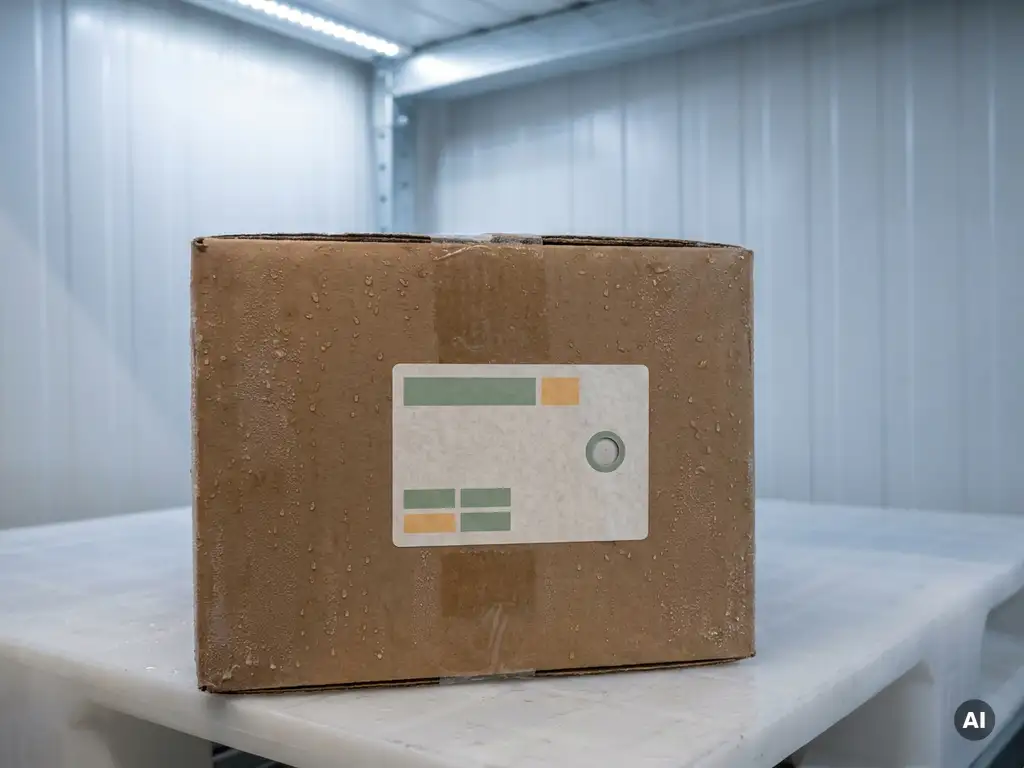
Tapp’s paper-based, single-use NFC data loggers are designed so that the repair-or-replace question simply never arises. Each logger is used once per shipment and then recycled through standard paper waste streams, meaning there is no maintenance cycle, no calibration burden, and no battery to degrade over time.
Here is what that means in practice:
- No calibration cycles: Every logger arrives factory-calibrated and ready to use, with EN 12830-certified accuracy from the first moment to the last.
- No battery replacement: The lithium-free battery is optimised for a single shipment, and because it is not recharged repeatedly, it delivers more consistent performance than the rechargeable batteries found in reusable electronic loggers.
- No maintenance overhead: There is no fleet of devices to track, service, or return, which removes a significant operational burden.
- Automatic cloud reporting: Data uploads to the TappOS dashboard the moment any NFC-enabled smartphone taps the label, with no app, USB connection, or dedicated hardware required.
- Recyclable by design: Made from paper sourced from agricultural waste, these loggers go into standard paper recycling rather than e-waste streams.
If managing the lifecycle of electronic data loggers is creating cost, compliance risk, or operational complexity for your team, it is worth exploring a different approach entirely. Visit tapp.online to learn more about how paper-based cold chain monitoring works in practice.