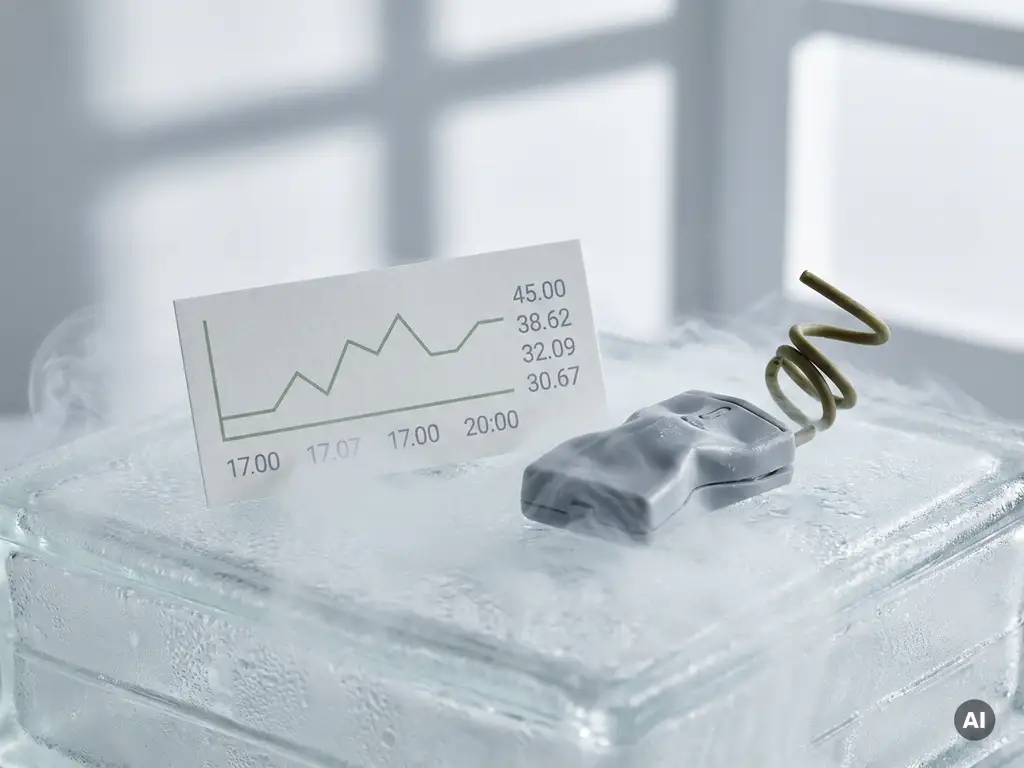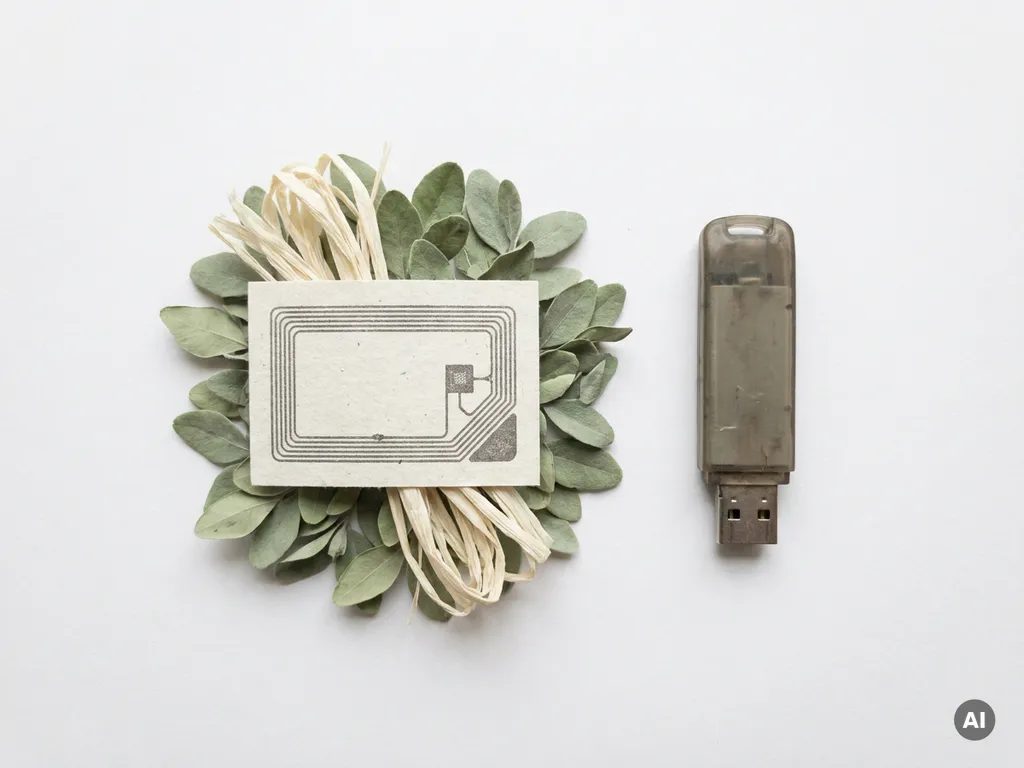
The best USB data logger alternative for cold chain monitoring is an NFC-based paper data logger. Instead of plugging a device into a computer to retrieve temperature records, you simply tap the label with any NFC-enabled smartphone and the data uploads automatically to a cloud dashboard. This article walks through why companies are making the switch, how the technology works, and when it makes sense for your operation.
Why are companies moving away from USB data loggers?
Companies are moving away from USB data loggers because the retrieval process creates unnecessary friction, generates significant electronic waste, and adds cost at every step of the cold chain. Traditional single-use electronic loggers are made from plastic and lithium batteries, and more than 80 million of them are discarded every year, each requiring proper e-waste disposal.
The operational burden is the most immediate pain point. When a shipment arrives, someone needs to physically collect the logger, find a computer with the right software installed, connect via USB, download the data, and then process a report. In environments where IT security policies restrict plugging external devices into networked computers, this step can become genuinely impossible rather than just inconvenient.
Beyond the workflow issues, the environmental cost is hard to ignore. Electronic data loggers require e-waste disposal, and the lithium batteries inside them complicate recycling further. As organizations face growing pressure to reduce their environmental footprint, the sheer volume of discarded plastic loggers is becoming a liability that procurement and sustainability teams can no longer overlook.
What is an NFC-based paper data logger?
An NFC-based paper data logger is a thin, label-format temperature monitoring device that records cold chain data and transmits it wirelessly to a smartphone via Near Field Communication (NFC). Unlike traditional electronic loggers, it requires no USB connection, no dedicated app, and no proprietary hardware to read the recorded data.
The key components that make this format different from conventional options are:
- Paper substrate: The body of the logger is made from paper rather than molded plastic, making it lightweight and recyclable through standard paper waste streams
- Lithium-free battery: The power source does not rely on lithium, which removes a major barrier to straightforward recycling and reduces the environmental impact of disposal
- NFC chip: Embedded in the label, this chip stores temperature records and communicates them instantly to any NFC-enabled smartphone with a simple tap
- Automatic cloud upload: When the label is tapped, data syncs directly to a cloud dashboard, making it accessible to both the sender and the receiver without any manual file transfer
As the only provider of the world’s first paper-based datalogger, Tapp developed this format to address the dual challenge of reducing e-waste while keeping cold chain monitoring genuinely simple for everyone in the supply chain.
How does a paper data logger compare to a traditional USB logger?
A paper data logger and a traditional USB logger both record temperature throughout a shipment, but they differ significantly in how data is retrieved, how they are disposed of, and what infrastructure they require. The paper-based format removes nearly every step that makes USB loggers operationally heavy.
Data retrieval
With a USB logger, retrieving data means physically connecting the device to a computer, running compatible software, and manually downloading a report. A paper-based logger is read with a single smartphone tap, and the data appears in a cloud dashboard immediately, accessible to anyone with the link, regardless of location or device.
Battery and end-of-life disposal
Single-use electronic loggers contain lithium batteries, which require dedicated e-waste disposal channels. Paper-based loggers use a lithium-free battery design, which is a meaningful advantage. Lithium batteries are one of the most environmentally problematic components in disposable electronics, both in terms of sourcing and disposal. By eliminating lithium from the design, paper-based loggers can be recycled through standard paper waste streams globally, rather than requiring specialist collection. This also means the battery is less likely to degrade in storage, giving paper-based loggers a reliable shelf life without the risk of a depleted lithium cell failing mid-shipment.
Infrastructure requirements
USB loggers require a computer, the right software, and often a specific operating system or driver. Paper-based loggers require nothing beyond the NFC-enabled smartphone that most people already carry. This is a significant advantage when shipments cross organizational boundaries and the receiving party has no obligation to invest in compatible hardware.
When should you consider switching to a USB data logger alternative?
You should consider switching to a USB data logger alternative when your current setup creates friction at the point of data retrieval, when your organization has set targets to reduce electronic waste, or when your supply chain partners lack the technical infrastructure to read traditional loggers reliably.
Some specific situations where the switch makes clear sense:
- Restricted IT environments: If recipients cannot plug external USB devices into their computers due to security policies, a datalogger without USB becomes not just preferable but necessary
- Multi-party supply chains: When shipments pass through growers, exporters, freight handlers, and retailers, requiring each party to have compatible software creates gaps. An NFC-based alternative lets anyone with a smartphone read the data
- High shipment volumes: Organizations dispatching large numbers of shipments per year quickly accumulate hundreds or thousands of plastic loggers requiring disposal. Switching to a recyclable paper-based format reduces that waste at scale
- Sustainability commitments: If your organization is working to reduce Scope 3 emissions or meet ESG targets, replacing single-use electronic loggers with a sustainable data logger is a concrete, measurable action
- Simplified reporting needs: If your team spends time manually processing downloaded files and formatting reports, automatic cloud upload eliminates that step entirely
The switch does not require a large capital investment or a complex rollout. Because paper-based loggers work with existing smartphones and upload data automatically, the transition is straightforward for both the sender and the receiver.
How Tapp’s paper-based loggers replace the USB data logger
Tapp’s paper-based data loggers are built specifically to solve the problems that make USB loggers difficult to work with at scale. Here is what the solution includes in practice:
- No USB, no app, no hardware: Any NFC-enabled smartphone taps the label and retrieves the full temperature log instantly
- Lithium-free, paper-based design: Recyclable through standard paper waste streams globally, reducing e-waste by up to 90% compared to traditional plastic loggers
- Automatic cloud upload via TappOS: Data syncs to the dashboard the moment the label is tapped, giving both sender and receiver access without manual file transfers
- Flight-safe and waterproof: Suitable for road, sea, air, and rail shipments without additional certification concerns
- Customizable branding: Labels can carry your company logo and colors, making monitoring part of the unboxing experience rather than an afterthought
If your team is ready to move away from USB-dependent cold chain monitoring, get in touch with Tapp to find out how paper-based data loggers can fit your supply chain. You can also book an intro call with an expert to walk through your specific requirements.
Frequently Asked Questions
How accurate are paper-based NFC data loggers compared to traditional USB loggers?
Paper-based NFC data loggers are designed to meet the same temperature accuracy standards as traditional electronic loggers, making them suitable for regulated cold chain applications including pharmaceuticals and fresh produce. Tapp’s loggers record temperature at consistent intervals throughout a shipment, and the full log is preserved on the NFC chip until it is read. If you operate in a regulated industry, it is worth confirming that any logger you adopt meets the specific accuracy and calibration requirements of your compliance framework (such as GDP or FDA 21 CFR Part 11).
What happens if the recipient doesn't know how to use NFC on their smartphone?
NFC reading requires no app download or technical setup — on most modern Android and iOS devices, it is as simple as holding the phone near the label, which triggers an automatic prompt. Because there is no proprietary software or account required to tap and view the data, the learning curve is minimal even for recipients who are unfamiliar with the technology. In practice, the process is significantly easier to explain to a new user than walking them through USB download software.
Can paper-based data loggers be used for temperature-sensitive pharmaceutical shipments?
Yes, paper-based NFC loggers can be used for pharmaceutical cold chain monitoring, provided the specific logger meets the temperature range, accuracy, and logging interval requirements of your product and regulatory environment. The automatic cloud upload via TappOS also creates a shareable, auditable record that supports compliance documentation without manual data handling. For GDP-regulated shipments, you should verify that the logger’s specifications align with your qualified packaging system and that the data format satisfies your quality team’s requirements.
What temperature range do Tapp's paper-based loggers cover, and can they handle frozen shipments?
Temperature range varies by logger model, so it is important to match the right product to your specific cold chain requirements, whether you are shipping chilled produce, ambient pharmaceuticals, or frozen goods. Tapp offers loggers suited to different temperature profiles, and the best starting point is to contact the Tapp team directly with your shipment conditions so they can recommend the right configuration. Using a logger outside its rated range can produce unreliable readings, so confirming this specification upfront is a critical step.
How do I handle a situation where the temperature log shows an excursion during transit?
When a tap reveals a temperature excursion, the cloud dashboard provides a timestamped log that shows exactly when and for how long the breach occurred, which helps you determine whether the event happened during loading, transit, or at a handoff point. This data supports a structured decision on whether the shipment can be accepted, quarantined, or rejected, and it gives you the documentation needed to raise a claim with a carrier or third-party logistics provider. Having the excursion data instantly available at the point of receipt — rather than hours later after a USB download — means faster decisions and less product held in limbo.
Is there a minimum order quantity, and does switching require a long-term contract?
Minimum order quantities and contract terms vary depending on your shipment volume and use case, so the most accurate information comes directly from Tapp’s team rather than a general estimate. Many organizations start with a trial run on a specific lane or product category before rolling out across their full operation, which is a practical way to validate the workflow before committing at scale. Getting in touch with Tapp is the right first step to understand pricing, volume tiers, and how onboarding is structured for your business.
What if my operation runs in an area with poor or no internet connectivity — will the logger still work?
The NFC tap itself does not require an internet connection to read the temperature data stored on the chip, so the log can be accessed on the smartphone screen even in offline environments. The automatic cloud upload to TappOS does require a data connection, but this typically completes as soon as the device reconnects to the internet after the tap. For operations in remote or low-connectivity areas, this means the data is never lost — it is simply synced to the dashboard once connectivity is restored.