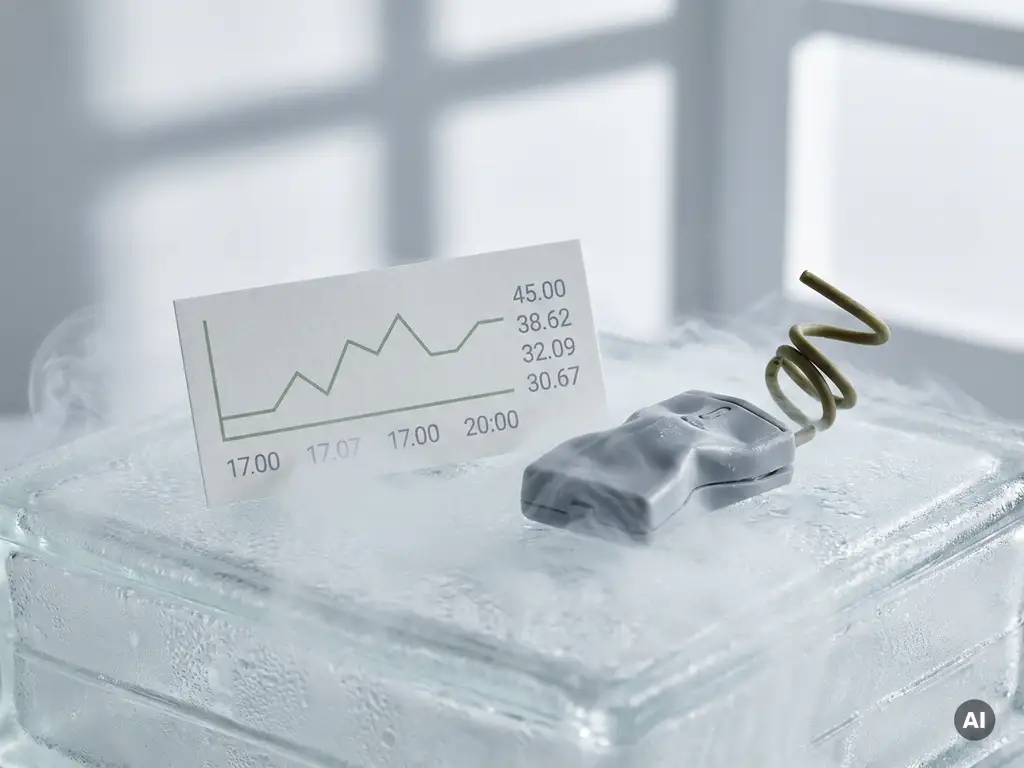
The best LogTag alternative in 2026 is a paper-based NFC datalogger. Unlike traditional plastic USB loggers, paper-based dataloggers eliminate the need for dedicated hardware, reduce electronic waste significantly, and make temperature data accessible to anyone with a smartphone. The sections below unpack the key differences, common pain points, and which industries stand to gain the most from making the switch.
What makes a cold chain datalogger better than LogTag?
A cold chain datalogger improves on LogTag when it removes friction from the data retrieval process, reduces disposal costs, and works without any additional infrastructure on the receiving end. The most meaningful advances come from rethinking the device itself, not just tweaking its specs.
LogTag devices are reliable electronic loggers, but they follow the same basic model as most traditional plastic dataloggers: a USB connection is required to download data, and each device eventually becomes electronic waste that requires proper disposal. For companies managing hundreds or thousands of shipments, this creates real operational overhead.
A stronger LogTag alternative addresses these issues directly. The key qualities to look for in a temperature logger alternative include:
- No USB retrieval: Data should be accessible without plugging anything into a computer
- No dedicated hardware for the recipient: Anyone at the destination should be able to read the logger without installing software or owning special equipment
- Automatic data upload: Temperature records should be available as soon as the logger is read, without manual file transfers
- Lower environmental impact: The device should be recyclable or biodegradable rather than destined for e-waste streams
These criteria shift the conversation away from traditional USB and Bluetooth loggers toward newer formats, particularly NFC-based and paper dataloggers.
What are the biggest pain points with traditional USB dataloggers?
The biggest pain points with traditional USB dataloggers are the manual data retrieval process, the infrastructure requirements it creates, and the environmental burden of disposal. These issues compound quickly when a supply chain involves multiple partners, countries, or high shipment volumes.
Most electronic dataloggers, including standard LogTag models, require a USB connection to extract data. This creates several practical problems:
- Security restrictions: Many companies, particularly in pharma and healthcare, prohibit plugging unknown USB devices into networked computers. This means the logger cannot be read at all without a workaround.
- Dependency on the recipient: The receiving party needs compatible software and a willingness to follow the download procedure, which is not always guaranteed across international supply chains.
- Delayed visibility: Data is only accessible after the shipment arrives and someone manually processes the device, leaving no opportunity to act on temperature excursions during transit.
- Disposal costs: Electronic dataloggers, whether single-use or reusable, eventually become e-waste. Single-use plastic loggers in particular are discarded in enormous volumes, with industry estimates suggesting more than 80 million units are thrown away each year.
The battery situation is another often-overlooked factor. Traditional single-use electronic loggers use lithium batteries, which complicate air freight (lithium batteries face strict aviation restrictions) and add to the hazardous waste profile of the device. Paper-based loggers use lithium-free battery technology, which is not only safer for air transport but also removes a key barrier to recycling, since lithium batteries are one of the main reasons electronic loggers cannot enter standard waste streams.
How does a paper-based NFC datalogger work?
A paper-based NFC datalogger works by recording temperature data on a paper substrate embedded with NFC technology. To read the data, a recipient simply taps the label with any NFC-enabled smartphone. No app, no USB cable, and no dedicated reading hardware are needed. The data uploads automatically to a cloud dashboard the moment the tap occurs.
The paper substrate replaces the plastic housing of a conventional logger, and the lithium-free battery powers the temperature sensor throughout the journey. Because the battery does not contain lithium, the label is flight-safe and can travel by air freight without the restrictions that apply to lithium-powered devices.
From a workflow perspective, the process is straightforward:
- The label is activated before the shipment departs and applied directly to the packaging
- The sensor logs temperature at set intervals throughout transit
- At any point during or after the journey, anyone with an NFC-enabled smartphone taps the label
- The temperature log appears instantly, and the data syncs to the cloud automatically
At end of life, paper-based loggers can be recycled through standard paper waste streams globally, unlike electronic dataloggers that require e-waste disposal. This makes the paper-based format the only type of cold chain monitoring label that fits into existing recycling infrastructure without special handling.
Which industries benefit most from switching away from LogTag?
The industries that benefit most from switching to a paper datalogger or NFC datalogger are those where USB retrieval creates security barriers, where recipients lack technical infrastructure, or where sustainability targets make plastic electronic waste a strategic liability.
Pharma and life sciences
This sector has the most to gain. Many pharmaceutical companies and hospitals operate strict IT security policies that prevent USB devices from being connected to networked computers. A USB-based LogTag simply cannot be read in these environments without violating IT protocols. An NFC-based paper datalogger sidesteps this entirely, since data retrieval happens via smartphone without any computer connection. This applies equally to blood transport, organ logistics, and other health-related shipments where temperature integrity is critical.
Fresh produce, floriculture, and food supply chains
High-volume perishable shipments generate enormous quantities of single-use plastic loggers. For exporters of fresh fruit, vegetables, flowers, and seafood, the cost and environmental impact of discarding thousands of plastic devices per month is a growing concern. Paper-based loggers that can be recycled through standard waste streams offer a concrete way to reduce that footprint without changing monitoring practices. The NFC tap also speeds up the receiving process at distribution centers where staff turnover is high and technical training is limited.
Chemicals and industrial goods
Temperature-sensitive chemicals such as water-based paints must be protected from freezing or overheating throughout transit. Suppliers in this sector often work with a wide network of distributors who may not have the software or equipment to read a traditional USB logger. An NFC datalogger removes that dependency entirely, making it easier to enforce temperature accountability across the full distribution chain.
How Tapp compares as a LogTag alternative
Tapp has developed the world’s first paper-based datalogger, and it addresses every limitation described above in a single product. Here is what sets it apart:
- Paper substrate, lithium-free battery: Recyclable through standard paper waste streams globally, with no e-waste disposal required
- NFC smartphone tap, no app needed: Any NFC-enabled smartphone reads the label instantly, with no software installation or USB connection
- Automatic cloud upload: Temperature data syncs to the TappOS dashboard the moment the label is tapped, accessible to both sender and receiver
- Flight-safe and universally compatible: Suitable for road, sea, air, and rail shipments thanks to the lithium-free design and waterproof coating
- Up to 90% less e-waste compared to traditional plastic loggers
If your organization is evaluating a sustainable datalogger that removes operational friction and supports ESG targets without compromising on accuracy, book an intro call with an expert or get in touch with the Tapp team to find out how paper-based monitoring fits your supply chain.
Frequently Asked Questions
Can a paper-based NFC datalogger match the temperature accuracy and range of a traditional electronic logger like LogTag?
Yes. Paper-based NFC dataloggers like Tapp are engineered to the same accuracy standards as traditional electronic loggers, covering the temperature ranges required for pharmaceuticals, fresh produce, and chemicals. The key difference is the form factor and retrieval method, not the sensing capability. If your shipment has specific accuracy or range requirements, check the datasheet of any logger you evaluate — the performance specs are what matter, not the material the housing is made from.
What happens if the recipient doesn't have an NFC-enabled smartphone?
Most modern smartphones — both Android and iPhone (iPhone 7 and later) — have NFC capability built in, so this is rarely a practical barrier. In the uncommon case where a recipient’s device doesn’t support NFC, the sender can still access the full temperature log via the cloud dashboard (such as TappOS) at any time, since data syncs automatically each time any NFC-enabled device taps the label. This means temperature records are never exclusively held on the physical device.
How do I handle temperature excursions detected by a paper-based logger during transit?
Because NFC dataloggers with automatic cloud upload make data available in real time — every time the label is tapped — you can set up alerts and review logs before a shipment even arrives at its destination. If an excursion is detected mid-transit, your team can notify the recipient, initiate a quality hold, or escalate to a courier without waiting for the physical device to be returned. This proactive visibility is one of the most significant operational advantages over traditional USB loggers, where excursions are only discovered after delivery.
Are paper-based dataloggers suitable for long-haul international shipments that involve multiple transport legs?
Yes, and in some respects they are better suited to multi-leg international shipments than traditional USB loggers. The lithium-free battery design means they are not subject to the aviation restrictions that apply to lithium-powered devices, making them compatible with air freight without special documentation or packaging requirements. The waterproof coating protects the label through road, sea, rail, and air legs, and because anyone with an NFC-enabled smartphone can read the data at any point in the journey, visibility is maintained across every handoff regardless of the partner’s technical infrastructure.
How do I get started with switching from LogTag to a paper-based NFC datalogger?
The most practical first step is to run a parallel trial on a subset of your shipments — use paper-based loggers alongside your existing LogTag devices on the same routes and compare the data retrieval experience, cloud reporting, and end-of-life disposal process. This lets your team validate performance in your specific cold chain environment before committing to a full rollout. Reach out to the Tapp team directly to request samples or a pilot program tailored to your shipment volumes and temperature requirements.
What are the most common mistakes companies make when switching to a new temperature datalogger?
The most common mistake is evaluating a new logger format purely on unit cost without accounting for the total cost of ownership — including software licensing, USB reader hardware, IT workarounds, disposal fees, and staff time spent on manual data retrieval. A second frequent mistake is not involving the receiving side early enough; if your distribution partners or customers are the ones reading the logger, their smartphone compatibility and workflow should be confirmed before you standardize on a new format. Finally, companies sometimes overlook regulatory documentation requirements — make sure the cloud platform your logger uses can export reports in the format required by your quality or compliance team.
Does switching to a paper-based datalogger help with ESG reporting and sustainability targets?
Directly, yes. Replacing single-use plastic electronic loggers with paper-based alternatives that recycle through standard waste streams reduces your organization’s contribution to e-waste, which is increasingly tracked under Scope 3 emissions and supply chain sustainability frameworks. With industry estimates suggesting over 80 million single-use plastic loggers are discarded annually, even a partial switch can produce measurable reductions in plastic waste that are reportable against ESG commitments. Some logistics and pharma companies are also beginning to see sustainability criteria appear in procurement and tender requirements, making the switch a commercial consideration as well as an environmental one.